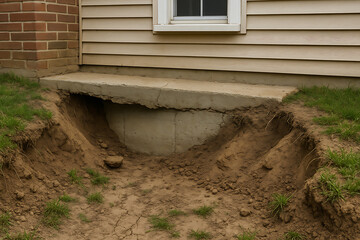
A home may look solid and secure from the outside, but beneath the walls and floors lies the most critical component of the entire structure. The foundation quietly supports everything above it, from the roof down to the smallest interior detail. When problems develop below ground level, they often go unnoticed until visible cracks or uneven floors appear. By the time these signs surface, the damage may already be progressing.
Understanding foundation repair and acting quickly can protect your home from serious structural issues and costly repairs. Contact GK Construction Solutions to learn more.
Understanding the Importance of a Strong Foundation
The foundation is the structural base that distributes the weight of a home evenly across the soil beneath it. It ensures stability, prevents shifting, and keeps walls, floors, and ceilings aligned. When a foundation is properly constructed and maintained, it provides decades of dependable support.
However, foundations are constantly affected by environmental factors. Soil movement, moisture fluctuations, and temperature changes all influence how a foundation performs over time. Expanding and contracting soil can exert pressure on foundation walls, leading to cracks and shifts. Excess moisture can weaken soil stability, while prolonged dryness may cause soil to shrink and create gaps beneath the structure.
Because the foundation is not always visible, problems can progress quietly. Addressing minor issues early helps preserve the integrity of the entire home. Ignoring warning signs may allow structural damage to spread, affecting plumbing systems, doors, windows, and interior finishes.
Common Signs of Foundation Problems
Recognizing early warning signs is essential for timely foundation repair. One of the most noticeable indicators is the appearance of cracks in walls, floors, or ceilings. Small hairline cracks may be normal due to settling, but larger cracks or those that continue to grow should be evaluated.
Uneven or sloping floors often signal foundation movement. When the base of the home shifts, floors may become unlevel, creating gaps between flooring and baseboards. Doors and windows that stick or fail to close properly can also indicate shifting frames caused by foundation changes.
Exterior warning signs include cracks in brickwork, separation around window frames, or gaps between walls and roofing components. In some cases, homeowners may notice water pooling around the base of the home after rainfall, which can weaken soil support.
Basement or crawl space issues are another common concern. Moisture intrusion, musty odors, and visible mold growth may result from foundation cracks that allow water to enter. Persistent dampness not only damages structural materials but also affects indoor air quality.
Identifying these signs early allows homeowners to seek professional evaluation before damage becomes extensive.
Causes of Foundation Damage
Several factors contribute to foundation damage. One of the most common causes is soil movement. Expansive soils that contain clay tend to absorb water and swell during wet periods. When conditions dry out, the soil shrinks. This repeated expansion and contraction places stress on foundation walls and slabs.
Poor drainage can accelerate foundation problems. When rainwater is not directed away from the home, it accumulates around the foundation. Excess moisture weakens the soil and increases hydrostatic pressure against walls. Over time, this pressure can lead to cracks and structural displacement.
Tree roots may also influence foundation stability. Large trees planted too close to a home can draw significant moisture from the soil, causing uneven drying and soil shrinkage. As roots grow, they may also exert physical pressure on foundation components.
Improper construction practices can contribute to long term issues. Inadequate soil preparation, insufficient reinforcement, or substandard materials may reduce a foundation’s durability. While modern building standards aim to prevent these problems, older homes may still experience the effects of past construction methods.
Natural settling is another factor. All homes settle to some degree after construction. However, excessive or uneven settling indicates a need for professional assessment and potential repair.
Types of Foundation Repair Methods
Foundation repair methods vary depending on the severity and cause of the damage. One common technique involves the installation of support piers. Steel or concrete piers are driven deep into stable soil layers to provide additional support. These piers help lift and stabilize the foundation, reducing further movement.
Slab jacking is another method used for concrete slab foundations. This process involves injecting a specialized material beneath the slab to fill voids and raise the surface back to its original position. It is often used to address uneven floors or minor settlement issues.
Wall anchors and braces may be installed to correct bowed or leaning foundation walls. These systems counteract soil pressure and gradually restore walls to a more stable position. Reinforcement improves structural integrity and prevents further displacement.
Crack repair is essential for preventing moisture intrusion. Epoxy or polyurethane injections seal cracks and restore structural strength. This process not only addresses cosmetic concerns but also protects against water damage.
Drainage improvements are sometimes necessary alongside structural repairs. Installing proper drainage systems and ensuring gutters direct water away from the foundation reduces future risk. Combining structural repair with preventative measures enhances long term stability.
The Foundation Repair Process
Foundation repair typically begins with a thorough inspection. A qualified professional evaluates visible damage, measures structural movement, and assesses soil conditions. Accurate diagnosis is critical for determining the most effective repair approach.
Once the assessment is complete, a customized repair plan is developed. The scope of work may involve excavation, installation of support systems, or crack sealing. Clear communication about timelines and expected outcomes helps homeowners understand the process.
During the repair phase, specialized equipment may be used to lift and stabilize the foundation. Careful monitoring ensures adjustments are precise and controlled. After structural corrections are made, cosmetic repairs such as patching cracks or restoring finishes may follow.
Final inspection confirms that the foundation is secure and that any drainage improvements are functioning properly. Homeowners may receive maintenance recommendations to prevent future problems.
Although foundation repair may seem disruptive, addressing issues promptly minimizes inconvenience and prevents further structural damage.
Preventing Future Foundation Issues
Preventative maintenance plays a vital role in protecting a home’s foundation. Proper drainage is one of the most effective safeguards. Ensuring that gutters and downspouts are clear and direct water away from the structure reduces moisture buildup around the base.
Maintaining consistent soil moisture levels can also help. During extended dry periods, moderate watering around the foundation may prevent excessive soil shrinkage. However, overwatering should be avoided to prevent saturation.
Landscaping choices influence foundation stability. Avoid planting large trees too close to the home, as their roots may disrupt soil balance. Maintaining a gentle slope away from the foundation encourages water runoff and minimizes pooling.
Regular inspections allow homeowners to catch small issues before they escalate. Monitoring for new cracks, changes in floor level, or door alignment helps identify early warning signs.
By combining professional repairs with ongoing maintenance, homeowners can extend the lifespan of their foundation and protect their investment.
Conclusion: Safeguarding Your Home from the Ground Up
Foundation repair is not merely a structural concern but a crucial investment in the safety and longevity of your home. A stable foundation supports every aspect of the structure, from walls and floors to plumbing and electrical systems. Recognizing warning signs and addressing problems promptly prevents minor issues from evolving into major damage.
With proper evaluation, effective repair methods, and consistent preventative care, homeowners can maintain a strong and secure foundation for years to come. Protecting your home begins beneath the surface, and proactive attention to foundation health ensures lasting peace of mind.